
Class 4 Impact-Resistant Shingles: UL 2218 Testing & Insurance Discounts
How Class 4 shingles withstand 2-inch steel ball drops, reduce storm vulnerability, and earn 10%–35% annual homeowners insurance premium discounts.
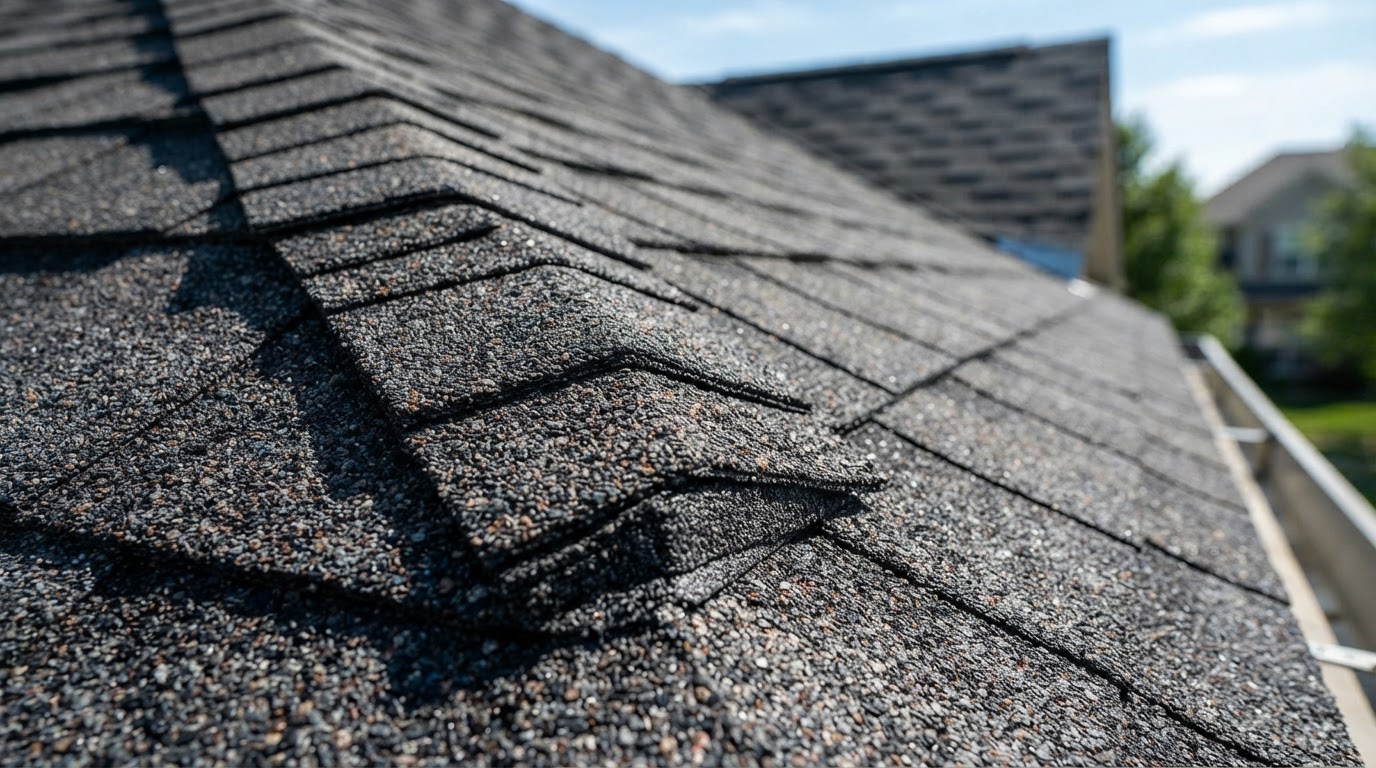
Key Editorial Takeaways
- ✓UL 2218 Class 4 is the highest impact resistance rating achievable for roofing materials.
- ✓Class 4 shingles withstand 2-inch steel ball drops from 20 feet without mat fracture.
- ✓SBS rubberized polymer modification gives shingles elastomeric flexibility to bounce back from hail strikes.
- ✓Annual insurance premium discounts for Class 4 roofs range from 10% to 35% in storm-prone states.
- ✓The material upgrade cost premium typically pays for itself through insurance savings within 5 to 7 years.
This article is part of our comprehensive guide: Roofing Materials Guide: Asphalt, Metal, Tile & Flat Roofs Compared
Answer First: Are Class 4 Impact-Resistant Shingles Worth the Extra Cost?
For homeowners in storm-prone regions — including Tennessee and Alabama — Class 4 impact-resistant shingles are generally one of the highest-ROI roofing upgrades available. While Class 4 shingles cost 10% to 25% more in materials than standard architectural shingles, they frequently qualify for 10% to 35% annual discounts on the wind/hail portion of homeowners insurance premiums.
Underwriters Laboratories (UL) Standard 2218 rates roofing materials on a Class 1 through Class 4 scale based on their ability to withstand high-velocity impact without cracking or rupturing the underlying mat. A Class 4 rating is the highest achievable impact resistance score.
This guide explains how UL 2218 testing works, the technology behind polymer-modified shingles, insurer discount policies, and long-term cost payback calculations. For a complete comparison of all roofing materials, read our roofing materials guide.
How UL 2218 Class 4 Testing Works
The UL 2218 impact test simulates severe hail strikes by dropping steel balls from calibrated heights onto shingle test samples:
| Test Rating | Steel Ball Diameter | Drop Height | Impact Energy | Equivalent Natural Hail |
|---|---|---|---|---|
| Class 1 | 1.25 inches | 12 feet | 4.8 ft-lbs | Small hail (~1 inch) |
| Class 2 | 1.50 inches | 15 feet | 9.6 ft-lbs | Medium hail (1.25 inches) |
| Class 3 | 1.75 inches | 17 feet | 17.0 ft-lbs | Large hail (1.50 inches) |
| Class 4 | 2.00 inches | 20 feet | 31.5 ft-lbs | Severe hail (2.0 inches) |
To pass Class 4 certification, the shingle's back mat and surface coating must show zero evidence of tearing, fracturing, or cracking under twice-repeated steel ball strikes at the same location.
The Technology: How Class 4 Shingles Resist Hail
Standard asphalt shingles consist of fiberglass matting coated in oxidized asphalt and mineral granules. Severe hail fractures the brittle oxidized asphalt.
Class 4 shingles utilize Styrene-Butadiene-Styrene (SBS) polymer-modified asphalt. Adding rubberized SBS polymers gives the asphalt elastomeric properties:
- Impact Absorption:** The shingle flexes and rebounds when struck, dispersing impact energy rather than cracking.
- Thermal Flexibility:** SBS-modified shingles remain pliable in cold winter temperatures, reducing thermal shock micro-cracking.
- Granule Retention:** Rubberized asphalt grips ceramic mineral granules more tightly, reducing storm displacement.
Insurance Discounts & Payback Math
Many insurance carriers offer significant policy premium credits for verified Class 4 roof installations:
State Regulatory Examples Texas & Oklahoma: State insurance regulatory boards mandate carrier discount filings, with Class 4 discounts ranging from 15% to 35%. Tennessee & Alabama: Major carriers (State Farm, Allstate, Farmers, Auto-Owners) offer voluntary wind/hail premium discounts typically between 10% and 25% for UL 2218 Class 4 roofs.
Worked ROI Calculation
- Base Roof Replacement Cost (Standard Shingle):** $12,000
- Class 4 Upgrade Premium (+15% material/labor):** $1,800
- Total Class 4 Roof Investment:** $13,800
- Annual Homeowners Insurance Premium:** $2,400
- Wind/Hail Portion of Premium (~60%):** $1,440
- 20% Class 4 Policy Discount: $288 / year savings**
- Payback Period ($1,800 upgrade / $288 annual savings): ~6.2 years**
Over a 20-year roof lifespan, a Class 4 roof can yield over $5,700 in cumulative insurance savings, easily offsetting the initial upgrade cost.
Verification & Proof Requirements for Insurers
To claim an impact-resistant roofing discount, homeowners must provide:
- UL 2218 Product Documentation: Manufacturer spec sheet verifying Class 4 rating.
- Contractor Proof of Installation Form: Completed installation certificate signed by a licensed contractor.
- Underwriters Laboratories Manufacturer Label: Photo of product bundle packaging showing the Class 4 UL stamp.
Frequently Asked Questions
Are Class 4 shingles completely hail-proof?
No shingle is indestructible. While Class 4 shingles withstand up to 2-inch hail strikes without mat fracture, giant hail (2.5+ inches) or hurricane-force wind-driven hail can still cause cosmetic or structural damage.
Do all insurance companies offer a Class 4 discount?
Most major carriers offer discounts in hail-prone states, but policies vary. Always confirm discount percentages with your insurance agent before choosing roofing materials.
Cited Research Sources & References
- Underwriters Laboratories — UL 2218 Impact Resistance StandardView Source
- Texas Department of Insurance — Impact-Resistant Roofing CreditsView Source