
Cool Roofs: Energy-Efficient Roofing & Reflective Shingles
How cool roofs and solar-reflective shingles reduce attic heat and cooling costs — the ENERGY STAR and CRRC ratings, materials, and climate considerations.
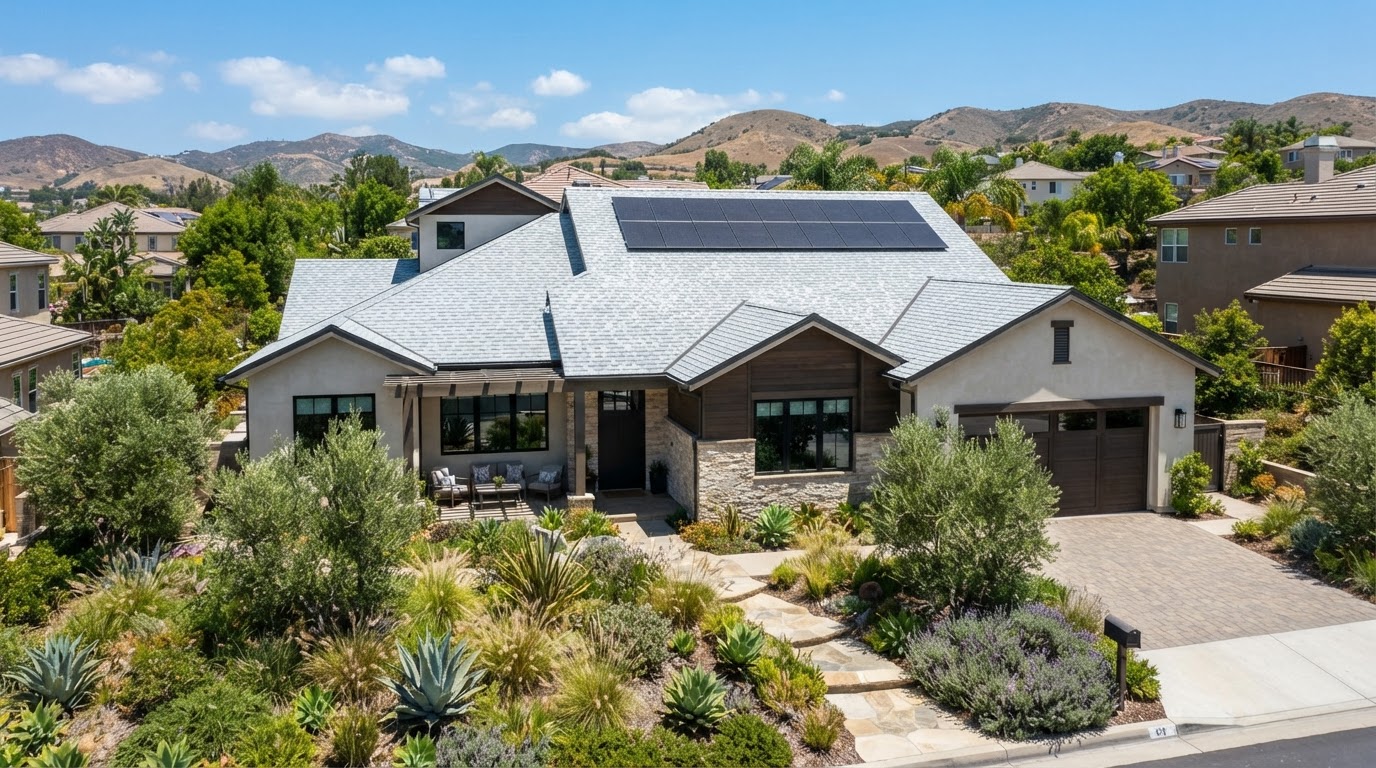
Key Editorial Takeaways
- ✓A cool roof reflects more sunlight (high solar reflectance) and radiates absorbed heat (high thermal emittance), keeping the roof surface up to 50°F cooler than a standard dark roof.
- ✓The Cool Roof Rating Council (CRRC) provides verified third-party solar reflectance and SRI ratings — check the CRRC directory rather than relying on manufacturer marketing claims.
- ✓ENERGY STAR-certified roof products initially reflect at least 25% of sunlight (steep-slope) and maintain at least 15% after three years of weathering.
- ✓The DOE reports cool roofs can reduce cooling energy use by 10–15% in hot, sunny climates; the benefit is greatest in hot regions and smaller in cold climates where a winter heating penalty partially offsets summer savings.
- ✓Cool roof materials include reflective asphalt shingles (available in colors, not just white), light-colored or coated metal, lighter tile, and elastomeric coatings for flat roofs.
This article is part of our comprehensive guide: Roofing Materials Guide: Asphalt, Metal, Tile & Flat Roofs Compared
Answer First: What Is a Cool Roof?
A cool roof is one designed to reflect more sunlight and absorb less heat than a standard roof. It uses materials with high solar reflectance (the ability to reflect sunlight) and high thermal emittance (the ability to radiate absorbed heat back to the sky). The result is a cooler roof surface, less heat transfer into the attic and living space, and reduced cooling demand.
The U.S. Department of Energy (DOE) recognizes cool roofs as an energy-efficiency strategy, particularly in hot, sunny climates. The DOE notes that a standard dark asphalt shingle roof can reach 150°F in summer sun, while a cool roof under the same conditions can be 50°F cooler.
This does not mean a cool roof is the right choice for every home or climate. This guide explains how cool roofs work, the ratings to look for, the materials available, and the tradeoffs — without telling you it is universally "best."
For a broad material comparison, see our roofing materials guide.
How Cool Roofs Work
Two properties determine a roof's "coolness":
Solar Reflectance
Solar reflectance (also called solar reflectivity) is the fraction of sunlight the roof surface reflects rather than absorbs. A standard dark asphalt shingle has a solar reflectance of roughly 0.05–0.15 (5–15%), meaning it absorbs 85–95% of solar energy. A cool roof product may have a solar reflectance of 0.25–0.70+ (25–70% or more), absorbing significantly less.
Thermal Emittance
Thermal emittance is the ability of the roof surface to radiate absorbed heat back into the atmosphere. A high-emittance roof releases absorbed heat more efficiently, staying cooler. Most non-metallic roofing materials have high thermal emittance (0.80–0.90); bare metal has low emittance unless coated.
The Solar Reflectance Index (SRI)
The Solar Reflectance Index (SRI) combines solar reflectance and thermal emittance into a single value. SRI ranges from 0 (standard black surface) to 100+ (highly reflective white surface). The Cool Roof Rating Council (CRRC) and LEED green building standards use SRI as a key metric. A higher SRI means a cooler roof surface.
Cool Roof Ratings: What to Look For
Cool Roof Rating Council (CRRC)
The Cool Roof Rating Council is an independent organization that rates roofing products for solar reflectance and thermal emittance. The CRRC maintains a publicly searchable product directory. CRRC ratings are the industry standard for comparing cool roof products — they provide verified, third-party-measured values rather than manufacturer marketing claims.
ENERGY STAR
The U.S. Environmental Protection Agency's ENERGY STAR program certifies roof products that meet specific solar reflectance criteria. ENERGY STAR-certified roof products initially reflect at least 65% of sunlight (for low-slope roofs) or 25% (for steep-slope residential roofs), and maintain at least 50% / 15% reflectance after three years of weathering.
ENERGY STAR certification is a useful baseline, but the CRRC directory provides more detailed and current ratings for specific products.
Cool Roof Materials
Reflective Asphalt Shingles
Major shingle manufacturers now produce "cool" shingle lines with higher solar reflectance. These use specially formulated granules that reflect more infrared (heat) radiation while still allowing visible color options — meaning a cool shingle does not have to be white. Reflective shingles may qualify for ENERGY STAR certification and CRRC ratings.
Considerations:
- The reflectance improvement over standard shingles is moderate — reflective shingles are cooler than standard dark shingles but not as cool as white coatings or light-colored metal
- Available in a range of colors, though lighter colors perform better
- May qualify for utility rebates or insurance discounts in some regions
Metal Roofing
Metal roofing — particularly light-colored or specially coated metal — is inherently a cool roof material. The DOE recognizes metal as one of the most effective cool roof options. Standing seam metal with a reflective coating can achieve very high solar reflectance and SRI values. See our metal roofing pros and cons guide for the full metal overview.
Tile Roofing
Concrete and clay tile, particularly in lighter colors, can achieve good cool roof performance. Tile's thermal mass and the air space between the tile and the roof deck (in some installations) also contribute to reduced heat transfer.
Cool Roof Coatings
For low-slope or flat roofs (common on commercial buildings and some residential flat sections), elastomeric cool roof coatings can be applied to existing roofing to increase reflectance. These are less common on steep-slope residential roofs but are an option for flat or low-slope sections.
Energy Savings: What to Expect
The DOE notes that cool roofs can reduce cooling energy use by 10–15% on average in hot, sunny climates. The actual savings depend on:
- Climate** — cool roofs provide the most benefit in hot, sunny regions with high cooling demand. In cold climates, the winter heating penalty (a reflective roof absorbs less winter sun heat) can offset some summer savings, though the DOE notes the summer cooling benefit typically outweighs the winter heating penalty in most U.S. climates.
- Insulation levels** — a well-insulated attic reduces the impact of roof surface temperature on the living space, diminishing the cool roof benefit. Conversely, a poorly insulated home benefits more.
- Attic ventilation** — see our roof ventilation guide. Ventilation and cool roofing work together to reduce attic heat.
- Roof orientation and shading** — a roof shaded by trees benefits less from a cool surface.
The DOE's cool roof calculator can help estimate potential savings for a specific home and climate.
Climate Considerations: When a Cool Roof Makes Sense
Hot, Sunny Climates (Best Fit)
Cool roofs provide the greatest benefit in regions with high cooling demand and intense sun — including the Southeast, Southwest, and southern tier states. In these regions, the cooling savings and improved attic comfort can justify the premium for cool roof products.
For regional roofing considerations in hot climates, see our Central Alabama roofing guide, which addresses the intense UV and heat that Central Alabama roofs face.
Cold Climates (Mixed)
In cold-climate regions, the summer cooling benefit of a cool roof is partially offset by a winter heating penalty — the reflective roof absorbs less of the sun's winter heat, slightly increasing heating demand. The DOE notes that for most U.S. climates, the summer benefit outweighs the winter penalty, but in very cold climates with high heating demand and low cooling demand, the net benefit is smaller.
Temperate Climates
In temperate climates with moderate heating and cooling demand, the net energy benefit is smaller and the decision may depend more on other factors (roof lifespan, material preference, aesthetics) than on energy savings alone.
Beyond Energy: Other Cool Roof Benefits
- Roof longevity** — cooler roof surface temperatures slow the thermal degradation of asphalt shingles. UV and heat are primary drivers of shingle aging; a cooler roof may last longer.
- Attic comfort** — a cooler roof reduces attic temperatures, which can improve the comfort of finished attics and reduce the temperature of HVAC equipment located in the attic.
- Urban heat island mitigation** — at a community level, widespread cool roof adoption reduces ambient urban temperatures, though this is a macro benefit rather than a direct homeowner benefit.
Questions to Ask If Considering a Cool Roof
- Does the product carry CRRC ratings? (Check the CRRC product directory for verified values.)
- Is the product ENERGY STAR certified?
- What is the solar reflectance and SRI of the specific product and color?
- Does my utility offer rebates for cool roof products?
- Does my insurer offer discounts for reflective roofing?
- How does the cool product's cost compare to a standard product of the same type?
- What is the expected energy savings for my specific climate and home? (Use the DOE cool roof calculator.)
For how to evaluate roofing products and contractors, see our choosing a roofing contractor guide and roof replacement cost guide.
A Note on Sources
This guide draws on U.S. Department of Energy (DOE) cool roof guidance and research, Cool Roof Rating Council (CRRC) rating methodology and product directory, U.S. Environmental Protection Agency ENERGY STAR roof product criteria, and Asphalt Roofing Manufacturers Association (ARMA) material guidance. Energy savings figures are DOE-published averages that vary by climate, insulation, ventilation, and home characteristics — use the DOE cool roof calculator for home-specific estimates.
Frequently Asked Questions
What is a cool roof?
A cool roof is designed to reflect more sunlight and absorb less heat than a standard roof, using materials with high solar reflectance and high thermal emittance. The DOE notes a standard dark asphalt shingle roof can reach 150°F in summer sun, while a cool roof under the same conditions can be 50°F cooler. This reduces attic heat and cooling demand.
Do cool roofs save money on energy?
The DOE reports cool roofs can reduce cooling energy use by 10–15% on average in hot, sunny climates. Actual savings depend on climate, attic insulation, ventilation, roof orientation, and shading. In cold climates, a winter heating penalty partially offsets summer savings, though the DOE notes the summer benefit typically outweighs the winter penalty in most U.S. climates.
Does a cool roof have to be white?
No. Reflective asphalt shingles use specially formulated granules that reflect more infrared (heat) radiation while still allowing visible color options. Lighter colors perform better, but cool shingles are available in a range of colors. Metal roofing with reflective coatings and lighter-colored tile are also cool roof options. White is the most reflective but not the only option.
What ratings should I look for in a cool roof product?
Check the Cool Roof Rating Council (CRRC) product directory for verified solar reflectance, thermal emittance, and Solar Reflectance Index (SRI) values. ENERGY STAR certification is a useful baseline — certified steep-slope products initially reflect at least 25% of sunlight and maintain at least 15% after three years. The CRRC directory provides more detailed and current ratings than ENERGY STAR alone.
Are cool roofs worth it in cold climates?
The benefit is smaller in cold climates. The summer cooling savings are partially offset by a winter heating penalty — the reflective roof absorbs less of the sun's winter heat. The DOE notes that for most U.S. climates the summer benefit outweighs the winter penalty, but in very cold climates with high heating demand and low cooling demand, the net energy benefit is smaller. Other factors like roof longevity may still make a cool roof worthwhile.
Cited Research Sources & References
- U.S. Department of Energy — Cool RoofsView Source
- Cool Roof Rating Council (CRRC) — Rated Products DirectoryView Source
- U.S. Environmental Protection Agency — ENERGY STAR Roof ProductsView Source
- Asphalt Roofing Manufacturers Association (ARMA) — Reflective ShinglesView Source