
Metal Roofing Pros and Cons: Is Metal Right for Your Home?
A homeowner's guide to standing seam and corrugated metal roofing — lifespan, hail resistance, energy efficiency, cost, noise, and when metal makes sense.
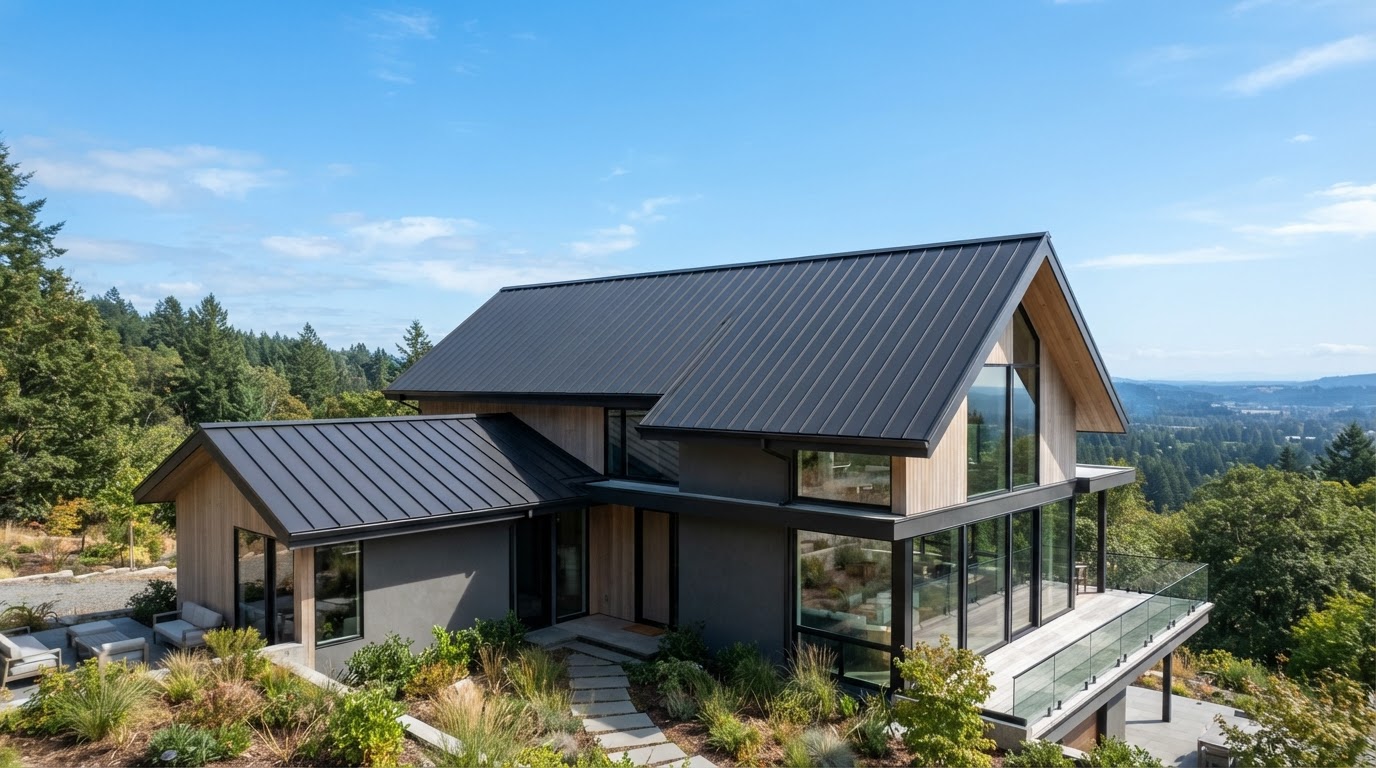
Key Editorial Takeaways
- ✓Metal roofing lasts 40–70 years — roughly double to triple the lifespan of architectural asphalt shingles — but costs two to three times more upfront.
- ✓Standing seam (hidden fasteners) is the recommended residential metal system; exposed-fastener corrugated metal is cheaper but its fasteners are the weak point and require maintenance.
- ✓Metal resists hail impact (no granule loss), reflects solar heat (cool roof), sheds snow, and carries a Class A fire rating — but specific wind ratings depend on the product and installation.
- ✓Considerations include higher upfront cost, oil canning (aesthetic waviness), the need for specialized installation, and potential color-matching difficulty for future repairs.
- ✓Metal is not universally 'best' — it makes the most sense for homeowners staying long-term in hail-prone or hot regions; asphalt may be the better fit for shorter ownership or tighter budgets.
This article is part of our comprehensive guide: Roofing Materials Guide: Asphalt, Metal, Tile & Flat Roofs Compared
Answer First: Is a Metal Roof Right for You?
Metal roofing is one of the longest-lasting and most weather-resistant residential roofing options available. It can last 40–70 years, resists hail impact, sheds snow, and reflects solar heat. It also costs significantly more upfront than asphalt shingles and is not the right choice for every home, climate, or budget. The decision comes down to how long you plan to stay in the home, your storm exposure, your energy goals, and your budget.
The Metal Construction Association (MCA) and the U.S. Department of Energy both recognize metal roofing as a durable, energy-efficient option. This guide explains the tradeoffs so you can decide whether metal makes sense for your situation — without anyone telling you it is universally "best."
For a broad comparison of all roofing materials, see our roofing materials guide.
Types of Metal Roofing
Standing Seam
Standing seam metal roofing features continuous vertical panels with raised seams that connect the panels together. The fasteners are hidden beneath the seams — they are not exposed to the weather. This is the premium residential metal roofing system.
Advantages:
- No exposed fasteners** — fasteners are the most common failure point on metal roofs; hidden fasteners eliminate that risk
- Maximum weather resistance** — the raised seams shed water and snow efficiently
- Longest lifespan** — 50+ years is common with proper installation
- Thermal movement** — panels are clipped to allow expansion and contraction without stressing the fasteners
Considerations:
- Higher cost than corrugated or exposed-fastener systems
- Requires skilled installation — improper panel alignment or seaming causes leaks
Corrugated / Exposed-Fastener Metal
Corrugated metal panels are screwed down through the face of the panel with exposed rubber-gasketed screws. This is the more economical metal option, common on agricultural and utility buildings but also used on some homes.
Advantages:
- Lower cost than standing seam
- Simpler installation
- Widely available
Considerations:
- Exposed fasteners are the weak point** — the rubber gaskets degrade over time (typically 15–20 years) and the screws can back out from thermal cycling, creating leak paths
- Shorter service life than standing seam
- More maintenance — fasteners may need re-tightening or replacement over the roof's life
For most homeowners choosing metal for a residence, standing seam is the recommended system if budget allows. The exposed-fastener system's long-term maintenance cost can offset its lower initial price.
The Advantages of Metal Roofing
Lifespan
Metal roofing is among the longest-lived common residential materials. The Metal Construction Association notes that properly installed standing seam metal roofs can last 50 years or more. This compares to 20–30 years for architectural asphalt shingles. For a full lifespan comparison, see our roof lifespan guide.
Hail and Wind Resistance
Metal roofing does not suffer the granule loss and mat bruising that hail inflicts on asphalt shingles. While very large hail can dent metal — particularly thinner-gauge panels — the structural integrity of the roof is typically not compromised. This makes metal an attractive option in hail-prone regions. For more on hail damage and impact resistance, see our Class 4 impact-resistant shingles guide and our hail damage identification guide.
Wind resistance is also a strength. Many metal roofing systems are rated for wind speeds of 120–160 mph when properly installed, which is relevant in hurricane and severe-storm regions. Specific wind ratings depend on the product, panel profile, and installation method — do not assume a universal rating for all metal roofing.
Energy Efficiency
The U.S. Department of Energy recognizes metal roofing as a "cool roof" option. Light-colored and specially coated metal roofs reflect a significant portion of solar radiation, reducing attic heat buildup and cooling demand. The DOE notes that cool roofs can reduce cooling energy use, particularly in hot, sunny climates. Some metal roofing products carry the ENERGY STAR label or Cool Roof Rating Council (CRRC) ratings for solar reflectance.
For more on cool roofs and energy efficiency, see our cool roofs and energy-efficient roofing guide.
Snow Shedding
Metal roofs shed snow more effectively than asphalt, which can be a significant advantage in snow-prone regions. The smooth surface allows snow to slide off once it warms slightly, reducing snow load. However, this can also be a consideration — snow sliding off a metal roof can dump suddenly, so snow guards may be needed above walkways, doors, or lower roofs.
Fire Resistance
Metal roofing is non-combustible and typically carries a Class A fire rating, the highest rating for residential roofing. This can be a factor in wildfire-prone regions and may affect insurance premiums in some areas.
The Disadvantages and Considerations
Upfront Cost
Metal roofing costs significantly more than asphalt shingles — often two to three times more per square (100 square feet) for standing seam. The long lifespan offsets this over decades, but the initial investment is substantial. For how metal factors into a total replacement budget, see our roof replacement cost guide and our roof financing guide.
Noise
Metal roofs can be louder than asphalt during rain or hail. With proper solid sheathing and attic insulation (which a proper installation includes), the noise is comparable to an asphalt roof for most homeowners. However, installing metal over open framing (without solid decking) — common on porches or barns — is noticeably louder. A residential installation should always include solid decking.
Expansion and Contraction
Metal expands and contracts with temperature changes more than asphalt. Standing seam systems are designed with clip fasteners that allow this movement. Exposed-fastener systems do not accommodate movement as well, which is why their fasteners can back out over time. Proper installation must account for thermal movement.
Oil Canning
Oil canning is a visible waviness in the flat areas of metal panels caused by stress in the metal. It is an aesthetic issue, not a performance or structural problem. Thicker-gauge metal, properly rolled panels, and correct installation minimize it, but it cannot always be eliminated. Homeowners should understand it is a characteristic of metal roofing, not a defect.
Installation Expertise
Metal roofing — especially standing seam — requires specialized installation skills. Not every roofing contractor is qualified to install it. Improper panel alignment, incorrect seaming, or wrong fastener placement can cause leaks that are difficult to diagnose and repair. For how to vet a contractor for specialized work, see our choosing a roofing contractor guide.
Color Matching and Repairs
If a panel is damaged, matching the exact color and finish years later can be difficult. Paint fading occurs over time, so a replacement panel may not match the surrounding panels exactly.
Metal Roofing in Storm-Prone Regions
Metal roofing is particularly relevant in regions with frequent hail and severe storms — including much of the Southeast. For regional considerations, see our Central Alabama roofing guide and Middle Tennessee roofing guide. In these regions, metal's hail resistance and long lifespan can make the higher upfront cost a reasonable long-term investment, especially for homeowners who plan to stay in the home for many years.
Some insurers offer premium discounts for impact-resistant roofing, including metal. Homeowners should ask their insurer whether a metal roof qualifies for a discount and how it affects their specific policy.
When Metal Makes Sense — and When It Doesn't
Metal may make sense if:
- You plan to stay in the home long-term and want a roof that lasts 40–70 years
- You live in a hail-prone or severe-storm region
- You want to reduce cooling costs in a hot, sunny climate
- You are building new or doing a full replacement and can budget for the higher upfront cost
- Your roof structure can support the weight (metal is lighter than most materials, but always confirm)
Metal may not make sense if:
- You plan to sell the home within a few years and will not recoup the investment
- Your budget is tight and asphalt shingles meet your needs
- Your roof has very complex geometry with many penetrations and valleys, which makes metal installation more difficult and expensive
- You are concerned about oil canning or the aesthetic of metal on your home style
There is no universally "best" material — only the best fit for your situation. For a full comparison of asphalt, metal, tile, and other options, see our roofing materials guide.
A Note on Sources
This guide draws on Metal Construction Association (MCA) guidance on metal roofing performance, U.S. Department of Energy cool roof and energy efficiency guidance, Cool Roof Rating Council (CRRC) rating information, and widely published roofing manufacturer specifications. Lifespan, wind rating, and cost figures are illustrative ranges that vary by product, gauge, finish, installation, and region — always confirm specific product specifications and installation requirements with your contractor and manufacturer.
Frequently Asked Questions
How long does a metal roof last?
Properly installed standing seam metal roofs can last 50 years or more, and some last 70 years. This compares to 20–30 years for architectural asphalt shingles. Exposed-fastener corrugated metal typically lasts less than standing seam because the exposed fasteners degrade over 15–20 years and require maintenance or replacement.
Is a metal roof louder than asphalt in the rain?
With proper solid sheathing and attic insulation — which a proper residential installation includes — a metal roof is comparable to asphalt for most homeowners. Metal installed over open framing (without solid decking), common on porches or barns, is noticeably louder. A residential installation should always include solid decking.
Does a metal roof resist hail damage?
Metal does not suffer the granule loss and mat bruising that hail inflicts on asphalt shingles. Very large hail can dent thinner-gauge metal, but the structural integrity is typically not compromised. This makes metal attractive in hail-prone regions. Some insurers offer premium discounts for impact-resistant roofing including metal — ask your insurer whether you qualify.
What is the difference between standing seam and corrugated metal roofing?
Standing seam has hidden fasteners beneath raised seams — no fasteners are exposed to weather, which eliminates the most common failure point and allows thermal movement. Corrugated metal is screwed down through the face with exposed rubber-gasketed screws that degrade over 15–20 years. Standing seam is the recommended residential system; corrugated is cheaper but requires more long-term maintenance.
Is a metal roof worth the higher cost?
It depends on how long you plan to stay in the home, your storm exposure, and your energy goals. Metal costs two to three times more than asphalt upfront but lasts roughly two to three times longer. For homeowners staying long-term in hail-prone or hot regions, the investment can make sense. For shorter ownership or tighter budgets, asphalt may be the better fit. There is no universally best material.
Cited Research Sources & References
- Metal Construction Association (MCA) — Metal Roofing PerformanceView Source
- U.S. Department of Energy — Cool Roofs and Energy EfficiencyView Source
- Cool Roof Rating Council (CRRC) — Product RatingsView Source
- Asphalt Roofing Manufacturers Association (ARMA) — Material ComparisonsView Source