
Roof Inspection Before Buying a Home: What to Check
What a roof inspection during a home purchase covers, the red flags that signal expensive problems, and the questions to ask before closing.
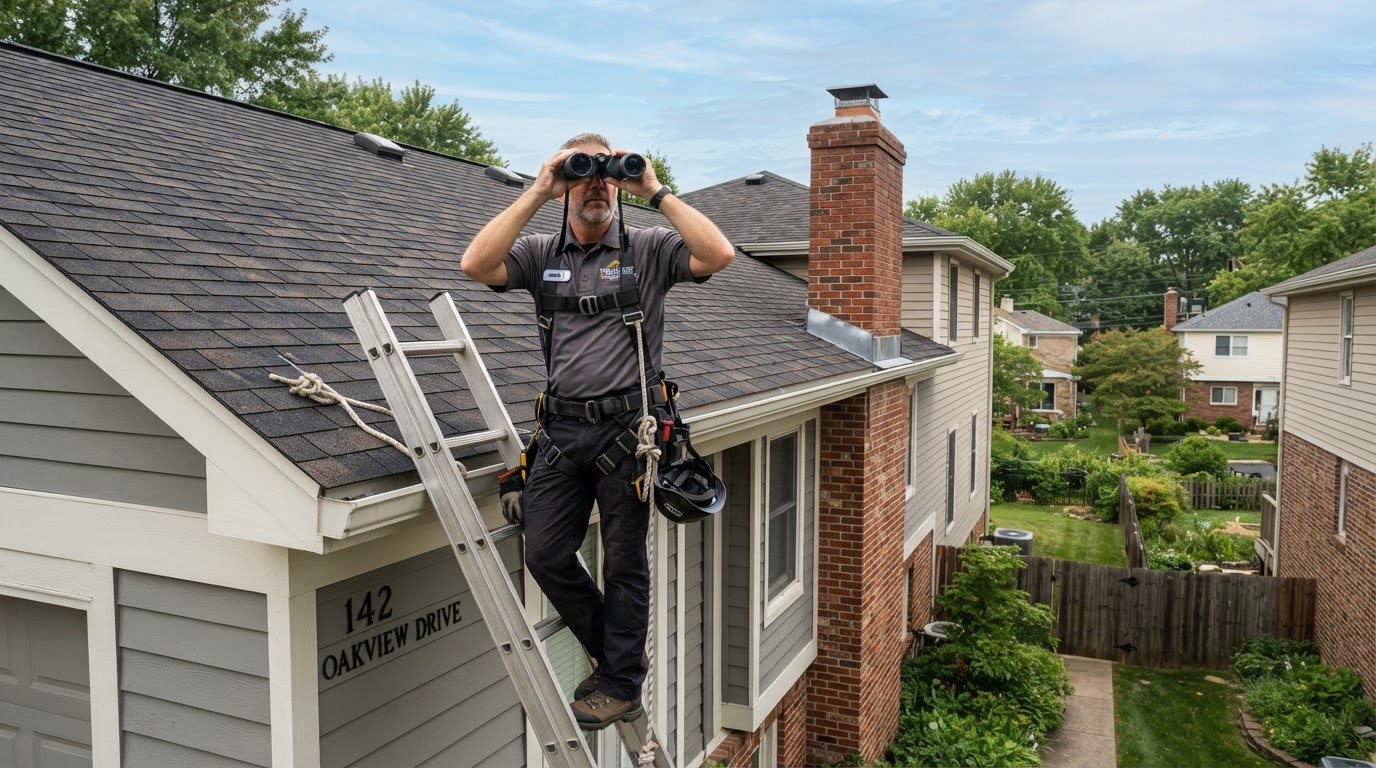
Key Editorial Takeaways
- ✓The roof is one of the most expensive home components to replace — understanding its age, condition, and remaining lifespan is essential when buying a home.
- ✓A pre-purchase roof inspection covers visible shingle/flashing/gutter condition, attic signs of leaks or moisture, ventilation adequacy, and evidence of prior repairs or unpermitted work.
- ✓Red flags include a roof near end of lifespan, multiple roofing layers, visible sagging, attic water stains, chimney deterioration, absent permits, and poor ventilation.
- ✓A standard home inspection is visual and generalist — get a dedicated roof inspection by a licensed roofing contractor if the inspector flags concerns or the roof is older.
- ✓Inspection findings are a negotiation tool — you can request repairs, a price reduction, a closing credit, or walk away; ensure any seller-agreed work is permitted and warrantied.
This article is part of our comprehensive guide: Roof Inspection & Maintenance Guide for Homeowners
Answer First: Why the Roof Is a Critical Part of a Home Purchase
The roof is one of the most expensive components of a home to replace. A new roof can cost thousands to tens of thousands of dollars depending on size, material, and complexity. When buying a home, understanding the roof's condition, age, and remaining lifespan is essential — a roof that needs replacement shortly after purchase can turn a good deal into an expensive one.
The U.S. Department of Housing and Urban Development (HUD) recommends that homebuyers obtain a professional inspection, including the roof, before purchasing. A standard home inspection includes a visual roof assessment, but a dedicated roof inspection by a licensed roofing contractor may be warranted if the home inspector flags concerns or the roof is older.
This guide explains what a roof inspection during a home purchase covers, the red flags to watch for, and the questions to ask before closing.
What a Pre-Purchase Roof Inspection Covers
Visible Roof Condition
- Shingle condition** — curling, cupping, cracking, blistering, or missing shingles indicate aging or defect. Granule loss (visible as bare spots or excessive granules in gutters) signals the shingles are nearing end of life. See our signs you need a new roof guide.
- Roof age** — the inspector or seller should provide the approximate age of the roof and the material type. Asphalt shingle roofs typically last 20–30 years; metal and tile last longer. See our roof lifespan guide.
- Flashing condition** — flashing around chimneys, vents, skylights, and valleys is a common leak source. Deteriorated, lifted, or improperly installed flashing is a red flag.
- Chimney condition** — cracked mortar, spalling bricks, or a damaged chimney crown can allow water intrusion. See our roof flashing and chimney leaks guide.
- Ventilation** — proper attic ventilation is essential for roof longevity. An inspection should assess whether intake (soffit) and exhaust (ridge or gable) vents are present and unobstructed. See our roof ventilation guide.
- Gutters and downspouts** — clogged, sagging, or undersized gutters, and missing downspout extensions, indicate deferred maintenance. See our gutter and downspout guide.
Attic Inspection
The attic reveals what the exterior cannot:
- Water stains or active leaks** on the underside of the roof deck
- Mold or mildew** indicating chronic moisture
- Daylight visible through the roof boards** (gaps or holes)
- Inadequate or blocked insulation and ventilation**
- Sagging roof deck** — indicates structural concern or chronic moisture damage
Signs of Previous Repairs
- Patches or mismatched shingles** — indicate prior leak repairs. Ask the seller for the history.
- Multiple layers of roofing** — if the roof has been re-roofed over existing layers, a future replacement will require a more expensive full tear-off. The IRC generally limits roofing to two layers. See our roofing permits guide.
- Unpermitted work** — if prior roofing work was done without a permit, it may not meet code and can complicate insurance and resale.
Red Flags That Signal Expensive Problems
- A roof at or near the end of its rated lifespan — an asphalt shingle roof that is 20+ years old may need replacement soon. Factor the replacement cost into your offer.
- Multiple layers of old roofing — a tear-off of multiple layers is more expensive, and the underlying deck may have concealed damage.
- Visible sagging — a sagging roof line can indicate structural problems with the rafters or deck, which is a significant and expensive repair.
- Water stains in the attic or on ceilings — active or chronic leaks mean the roof is already failing at some point.
- Chimney deterioration — chimney repairs (repointing mortar, rebuilding, crown repair) are separate from roofing and can be costly.
- No evidence of permits for prior roofing work — unpermitted work may not meet code and can affect insurance and future resale.
- Poor or absent attic ventilation — a roof installed over an inadequately ventilated attic may have a shortened lifespan and may not be covered under manufacturer warranty. See our roof warranties guide.
- Storm damage history — if the home is in a storm-prone region, ask whether the roof has been through significant hail or wind events and whether any insurance claims were filed. See our how to identify hail damage guide.
Questions to Ask the Seller or Agent
- How old is the roof, and what material is it?
- Has the roof ever been replaced, and if so, when and by whom?
- Are there multiple layers of roofing, or was it a full tear-off?
- Have there been any roof leaks, and were they repaired? By whom?
- Were any roofing permits pulled, and are there records?
- Has an insurance claim ever been filed for roof damage?
- Is there a transferable manufacturer warranty on the roof?
- Has the roof been inspected or maintained regularly?
In many jurisdictions, sellers are required to disclose known defects, including roof problems, on a seller's disclosure form. The Federal Trade Commission (FTC) advises homebuyers to review disclosure documents carefully and to obtain an independent inspection rather than relying solely on seller disclosures.
When to Get a Dedicated Roof Inspection
A standard home inspection includes a visual roof assessment, but it has limitations:
- The inspector may only view the roof from the ground or from the roof edge, depending on height, pitch, and safety
- The inspector is a generalist, not a roofing specialist
- The inspection is visual — it does not include pulling up shingles or invasive testing
Get a dedicated roof inspection by a licensed roofing contractor if:
- The home inspector flags any roof concern
- The roof is older (15+ years for asphalt)
- The home is in a storm-prone region and you want a hail damage assessment
- The roof has complex geometry, multiple penetrations, or skylights
- You want a more detailed lifespan estimate and replacement cost projection
A dedicated roof inspection may cost a few hundred dollars — a worthwhile investment when the roof itself may cost thousands to replace.
Negotiating Roof Issues
If the inspection reveals roof problems, you have options:
- Request the seller repair or replace the roof** before closing
- Request a price reduction** to cover the cost of the repair or replacement
- Request a credit at closing** for the roof work
- Walk away** if the problems are severe and the seller will not address them
The HUD emphasizes that inspection findings are a negotiation tool. Work with your real estate agent and, if necessary, a real estate attorney to determine the best approach. If the seller agrees to repair or replace the roof, ensure the work is permitted, inspected, and completed by a licensed contractor before closing — and that you receive the warranty documentation.
For how to evaluate a contractor for the work, see our choosing a roofing contractor guide.
Regional Considerations
In storm-prone regions, roof condition is especially critical. A roof that appears intact may have hidden hail damage from prior storms. For regional roofing factors, see our Central Alabama roofing guide and Middle Tennessee roofing guide, which cover regional storm patterns, insurance considerations, and material selection.
A Note on Sources
This guide draws on U.S. Department of Housing and Urban Development (HUD) homebuyer inspection guidance, U.S. Federal Trade Commission (FTC) consumer guidance on home purchases and disclosures, and International Residential Code (IRC) roofing requirements. Real estate disclosure requirements vary by state — consult your real estate agent or attorney for the specific requirements in your jurisdiction.
Frequently Asked Questions
Does a standard home inspection cover the roof?
A standard home inspection includes a visual roof assessment, but it has limitations. The inspector may only view the roof from the ground or edge, is a generalist not a roofing specialist, and does not perform invasive testing. If the inspector flags any concern, the roof is older, or the home is in a storm-prone region, get a dedicated roof inspection by a licensed roofing contractor.
What roof problems are red flags when buying a home?
Key red flags include a roof at or near the end of its rated lifespan, multiple layers of old roofing, visible sagging (structural concern), water stains in the attic or on ceilings, chimney deterioration, no evidence of permits for prior roofing work, poor or absent attic ventilation, and a history of storm damage or insurance claims.
Should I ask the seller to replace the roof before closing?
If the inspection reveals significant roof problems, you can request the seller repair or replace the roof, request a price reduction or closing credit, or walk away. If the seller agrees to do the work, ensure it is permitted, inspected, completed by a licensed contractor, and that you receive the warranty documentation before closing.
How old is too old for a roof when buying a home?
Asphalt shingle roofs typically last 20–30 years. A roof that is 15+ years old warrants a dedicated inspection and a lifespan estimate. Factor the potential replacement cost into your offer. Metal and tile roofs last longer, but age and condition still matter. Always get the roof's approximate age from the seller or inspector.
Can I see if a roof has unpermitted work when buying a home?
Ask the seller for records of any roofing permits and work history. In many jurisdictions, sellers must disclose known defects on a seller's disclosure form. You can also check with the local building department for permit history on the property. Unpermitted roofing work may not meet code and can affect insurance coverage and future resale.
Cited Research Sources & References
- U.S. Department of Housing and Urban Development (HUD) — Homebuyer Inspection GuidanceView Source
- U.S. Federal Trade Commission (FTC) — Buying a HomeView Source
- International Code Council — International Residential Code (IRC)View Source