
Does a New Roof Increase Home Value? What Homeowners Should Know About Roof ROI
A homeowner's guide to how a new roof affects home value, resale appeal, appraisal, buyer negotiations, and return on investment — and when replacing a roof before selling makes sense.
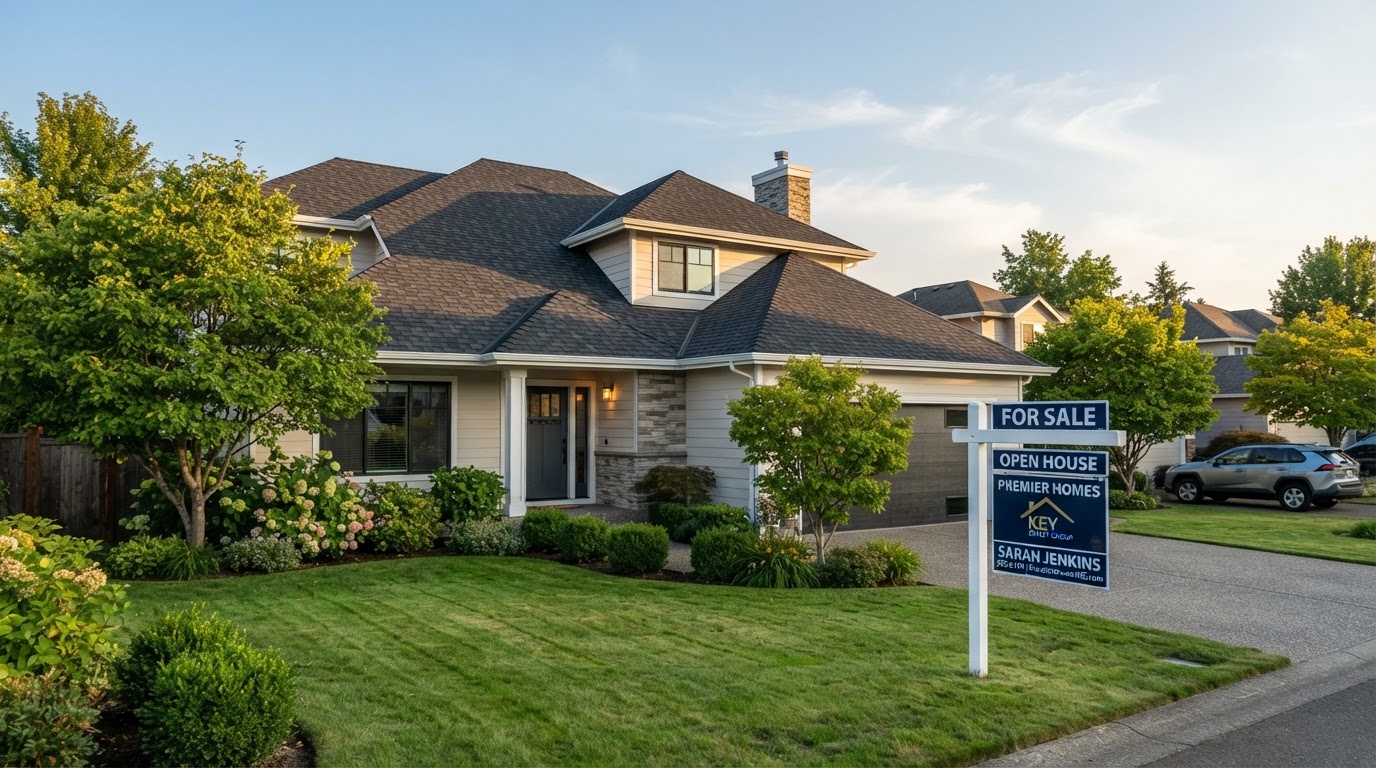
Key Editorial Takeaways
- ✓A new roof can increase home value, but the return on investment is typically partial — a sound roof is a baseline buyer expectation, not a premium feature.
- ✓A failing or end-of-life roof is a significant liability that reduces buyer interest, triggers appraisal issues, and creates negotiation leverage for buyers that often exceeds the actual repair cost.
- ✓Replacing a roof before selling makes the most sense when the roof is visibly failing, at or past its service life, or generating inspection-triggered repair demands — not when the roof still has years of remaining life.
- ✓Proper documentation — contractor invoice, manufacturer warranty registration, workmanship warranty, permit, and photos — preserves and communicates the roof's value at resale.
- ✓Transferable warranties add tangible resale value by giving the buyer confidence in the roof's remaining service life and coverage.
This article is part of our comprehensive guide: How Much Does a Roof Replacement Cost? A Homeowner Guide
Answer First: Does a New Roof Increase Home Value?
Yes — a new roof can increase home value, but the return on investment (ROI) is typically partial, not full. A new roof generally recovers a portion of its cost in added home value while providing additional value through faster sale, smoother negotiations, and fewer buyer objections. The exact ROI depends on the condition of the old roof, the local real estate market, the quality of the new roof, and whether the home is being sold.
The key distinction is between cost (what you pay for the roof) and value (what the market is willing to pay for it). A roof replacement is not like a kitchen renovation where buyers may pay a premium for upgraded finishes — a sound roof is an expectation, not a luxury. Buyers expect a functional roof, so a new roof primarily removes a negative (the risk and cost of imminent replacement) rather than adding a premium feature.
For what a roof replacement actually costs, see our roof replacement cost guide.
How Roof Condition Affects Home Value
A Failing Roof Is a Liability
An old or visibly damaged roof is one of the most significant deterrents to buyers. Unlike interior cosmetic issues, a roof problem is expensive, structural, and often involves insurance — three things buyers actively avoid. A roof that is visibly aging, missing shingles, or showing water damage can:
- Reduce the pool of interested buyers** — many buyers will not make an offer on a home with a known roof problem, or will only offer at a discount.
- Trigger appraisal issues** — if an appraiser notes roof deficiency, the appraisal may come in low or be conditioned on roof repair, which can jeopardize financing.
- Create negotiation leverage for the buyer** — buyers who do make an offer will typically request a roof credit or price reduction that often exceeds the actual repair cost.
- Slow or kill the sale** — roof issues are a common reason transactions fall through during inspection.
A New Roof Is a Selling Point
A new roof with transferable warranties removes the roof as a point of negotiation and can:
- Expand the buyer pool** — buyers who want a move-in-ready home are more likely to make an offer.
- Support the asking price** — a documented new roof with warranty transfer gives the buyer (and their lender and appraiser) confidence.
- Speed the sale** — homes with recent roof replacements often sell faster than comparable homes with aging roofs.
- Reduce inspection objections** — the roof is one of the most scrutinized components in a home inspection; a new roof eliminates that scrutiny.
For how a roof inspection factors into a home purchase, see our roof inspection before buying a home guide.
Cost vs. Value: Understanding Roof ROI
The cost of a roof replacement is a known number — the contractor's estimate. The value added to the home is determined by the market and is typically less than the full cost. Industry remodeling cost-value studies consistently show that roof replacements recover a portion of their cost in added home value at resale, with the exact percentage varying by region and market conditions.
Why the ROI Is Partial
- A sound roof is a baseline expectation** — buyers do not typically pay a premium above market value for a functional roof; they discount for a failing one.
- The new roof benefits the next owner more than the seller** — the seller pays the full cost but the buyer enjoys the remaining service life.
- Material upgrades may not be fully valued** — upgrading from 3-tab to architectural shingles, or to metal, may not be fully reflected in the appraisal if comparable homes in the area have standard shingles.
When the ROI Is Stronger
- The old roof is actively failing** — the bigger the problem the new roof solves, the more value it adds by removing that liability.
- The local market is competitive** — in a seller's market, a move-in-ready home with a new roof can command a premium and sell quickly.
- The roof was near end-of-life** — replacing a roof that was about to fail eliminates a known future expense that buyers would otherwise price into their offer.
Should You Replace Your Roof Before Selling?
This is one of the most common roofing decisions homeowners face. The answer depends on the roof's condition and your selling timeline.
Replace Before Selling If:
- The roof is visibly failing** — missing shingles, curling, sagging, active leaks, or water damage that a buyer's inspector will flag.
- The roof is at or past its expected service life** — a 25-year-old 3-tab roof will be a red flag to buyers and inspectors. See our roof lifespan guide.
- You are getting inspection-triggered repair demands** — if buyer inspections are generating roof credits or repair requests that approach replacement cost.
- You want to maximize buyer pool and sale speed** — a new roof removes the single largest source of buyer hesitation.
Do Not Replace Before Selling If:
- The roof has years of remaining service life** and is in good condition — replacing a sound roof wastes money that will not be recovered.
- You are selling as-is or to an investor** — investors price the roof condition into their offer regardless.
- The local market strongly favors sellers** — in a very hot market, even homes with aging roofs may sell without the seller needing to replace first.
For the full decision framework on whether repair or replacement is appropriate, see our roof repair vs. replacement guide. For selling-specific considerations, see our selling a home with an old or damaged roof guide.
How to Document a New Roof for Resale
If you replace your roof — whether before selling or while living in the home — proper documentation preserves and communicates the value:
- Keep the contractor's invoice and contract — showing the scope, materials, and date of installation.
- Retain the manufacturer warranty registration — including the warranty level (standard vs. enhanced) and whether it is transferable to a new owner. See our roof warranties guide.
- Keep the workmanship warranty — the contractor's labor warranty, with terms and transferability.
- Document the permit and final inspection — proof that the work was permitted and inspected to code. See our roofing permits guide.
- Photograph the completed roof — before-and-after photos can support the condition and quality during appraisal and buyer review.
Transferable warranties are particularly valuable at resale — a warranty that transfers to the new owner adds tangible value and buyer confidence.
How Appraisers View Roof Condition
A licensed appraiser evaluates the roof as part of the overall condition assessment of the home. The appraiser typically:
- Notes the roof type, material, and apparent age** from a visual inspection (usually from the ground).
- Flags visible deficiencies** — missing shingles, curling, sagging, patches, or evidence of leaks.
- Adjusts the appraisal value** for condition issues relative to comparable properties.
A roof in poor condition can result in a condition adjustment that lowers the appraised value, while a new or recently replaced roof supports the home's condition rating. Appraisers generally do not assign a dollar-for-dollar value to a new roof — they adjust for overall condition relative to comparable sales.
Material Choice and Resale Value
The material you choose affects how buyers and appraisers perceive the roof:
- Architectural (dimensional) asphalt shingles** — the standard for modern residential roofing; widely accepted and expected by buyers in most markets.
- 3-tab asphalt shingles** — increasingly seen as a budget or dated option; may be a minor negative if comparable homes have upgraded shingles.
- Metal roofing** — can be a selling point for durability and energy efficiency, particularly in storm-prone regions, but may not be fully valued if it is unusual for the area. See our metal roofing guide.
- Impact-resistant (Class 4) shingles** — may add value in hail-prone regions like Alabama, where insurance premium discounts can be available. See our Class 4 shingles guide.
For a full material comparison, see our roofing materials guide.
A Note on Sources
This guide draws on established real estate appraisal principles regarding property condition adjustments, Federal Trade Commission (FTC) consumer guidance on home improvement and resale, and widely published remodeling cost-value analysis. ROI percentages vary by region, market conditions, and the specific property — consult a licensed real estate professional and appraiser for guidance specific to your home and local market. This guide is not financial or real estate advice.
Frequently Asked Questions
Does a new roof increase home value?
Yes, a new roof can increase home value, but the return on investment is typically partial rather than full. A new roof primarily removes a negative — the risk and cost of imminent replacement — rather than adding a premium feature, because buyers expect a functional roof. The exact value added depends on the condition of the old roof, the local market, and whether the home is being sold.
How much value does a new roof add to a home?
Industry remodeling cost-value studies consistently show that roof replacements recover a portion of their cost in added home value at resale, with the exact percentage varying by region and market. A new roof adds the most value when it replaces a visibly failing or end-of-life roof, because it eliminates a major buyer objection and appraisal risk. It adds less value when the old roof still had years of service life remaining.
Should I replace my roof before selling my house?
It depends on the roof's condition. Replace before selling if the roof is visibly failing, at or past its expected service life, or generating buyer inspection demands. Do not replace if the roof still has years of remaining life and is in good condition, or if you are selling as-is to an investor. A real estate professional can advise based on your local market and comparable sales.
Will a bad roof affect my home appraisal?
Yes. An appraiser visually inspects the roof and notes its type, material, and apparent condition. Visible deficiencies — missing shingles, curling, sagging, or evidence of leaks — can result in a condition adjustment that lowers the appraised value. A low appraisal due to roof condition can also jeopardize buyer financing. A new or recently replaced roof supports the home's condition rating.
Are roof warranties transferable to a new owner?
Some are, some are not — it depends on the manufacturer and warranty level. Transferable warranties add tangible resale value because they give the buyer confidence in the roof's remaining coverage. Check your specific manufacturer warranty documentation for transferability terms, and retain the warranty registration, contractor invoice, and workmanship warranty to document the transfer at sale.
Does upgrading to metal roofing add more resale value?
Metal roofing can be a selling point for durability and energy efficiency, particularly in storm-prone regions, but it may not be fully valued in the appraisal if metal roofs are unusual for comparable homes in your area. The resale value of a material upgrade depends on what buyers in your local market expect and are willing to pay for.
Cited Research Sources & References
- Federal Trade Commission — Home Improvement: Hiring a ContractorView Source
- U.S. Department of Housing and Urban Development (HUD) — Home Inspection and Appraisal GuidanceView Source
- National Roofing Contractors Association (NRCA) — Consumer ResourcesView Source